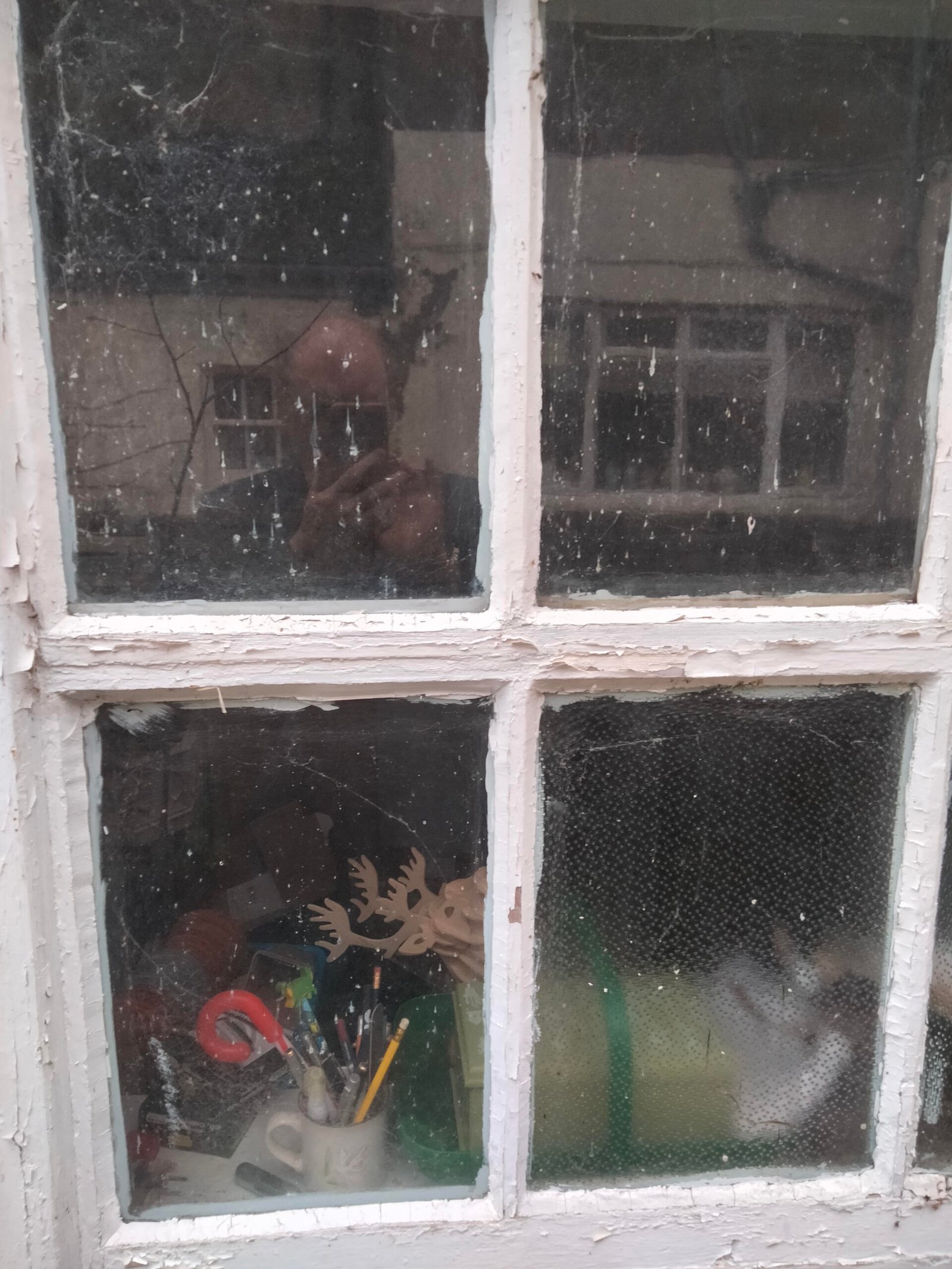
Back in the 1950s I was a weedy child, confused about most things. I had to accept others’ judgements about what I should play with, how I should spend my time, what I should be interested in, and what sort of life I should be prepared for. This is a widespread hazard, of course, the limited agency afforded children at such a key stage of development. Sometimes reinforced in later stages of growth by the preposterous parental presumption, ‘I know you better than you know yourself.’
While I was mastering the basics, Johari’s Window was propounded by the psychologists Joseph Luft and Harrington Ingram (1955), hence ‘Jo’ and ‘Hari’. This self-analytical tool presents a window with four panes, labelled in the following manner.
Top Left: Known Self, those things about us known to ourselves and to others.
Bottom Left: Blind Self, those things about us known to others, but not to ourselves.
Top Right: Hidden Self, the things we know about ourselves that no-one else knows.
Bottom Right: Unknown Self, the things about us that are unknown to anyone, including ourselves.
I used this analytical tool in various contexts while practising my profession. Inevitably in group situations there is a ceiling on how much self-analysis people are happy to do in front of others, so it’s mainly a take-away.
A factor which has become clearer to me in later life is the significance of the time-frame within which this self-analysis takes place. A young person can look at ‘now’ in the context of the brief life which has preceded it. The majority of life lies ahead, unknown to everyone. In that situation, we don’t know what circumstances life will bring, nor how we will cope with them.
In later life, the opposite applies. The future is a shorter period, and some elements of it are depressingly predictable: most elements of the aging process are a one-way street. Later life brings, among its other new elements, the cruel gift of hindsight. One sees with horrible clarity many things that should have been done differently, or not at all.
The bottom left pane, Blind Self, changes. The frosted glass clears at last, and we see with cringe-making realisation what others saw but we could not: the traits and behaviours which sorely tested the tolerance of those around us. So much to re-play, and re-imagine with what should have been said or done.
The Hidden Self also needs reappraising. We thought we had secrets back then, innocent lambs that we were, underestimating the percipience and tactful silence of those older and wiser.
The Unknown Self shrinks as life proceeds. Professional identity, career trajectory, worldly success, amount and nature of travelling, all progress from youthful dreams to lived experience. Family events happen: partnership, parenthood and all the rest as the journey proceeds. Now we know how we are, how we have been, in those roles. How we will conduct ourselves in the new roles ahead remains unknown.
To illustrate these thoughts I chose a window which is old and weatherworn, in which reflections are as significant as the view ahead.
Written by Raphael Wilkins in response to Teesdale Writers creative writing prompt – Through The Window